
Jon Liedtke joins 610 CKTB’s Gene Valaitis for his regular weekly segment, Liedtke’s Got a Take!
Jon Liedtke discusses Trump’s pre-midterm strategy regarding Iran and rising gas prices. Liedtke argues Trump’s contradictory rhetoric—threatening escalation while claiming a diplomatic pause—fails to fool energy markets or lower gas prices. He warns that post-election loss of Congressional control could trigger severe military escalation.
Transcript (Gemini Generated):
GENE VALAITIS: It’s time for another edition of Liedtke’s Got a Take. Good morning, Jon.
JON LIEDTKE: Good morning, Gene.
GENE VALAITIS: So the midterms are coming up in a few weeks in, in the US. The price of gas is crazy. You know, I, I monitor it every single morning here on Valaitis on the News, so people can get the best deal. Now, you call Trump a bad wizard, trying to sell an illusion from in front of a curtain. Yeah, I remember that movie. So he’s at a rally shooting, “Let’s, let’s let him hit L.A. and San Diego. No wonder he didn’t get the Nobel Peace Prize.” The US military leaks a massive bombing plan, then he posts on Truth Social that all the strikes are paused. I can’t figure it out. Is this total internal chaos, or is he playing the classic madman strategy?
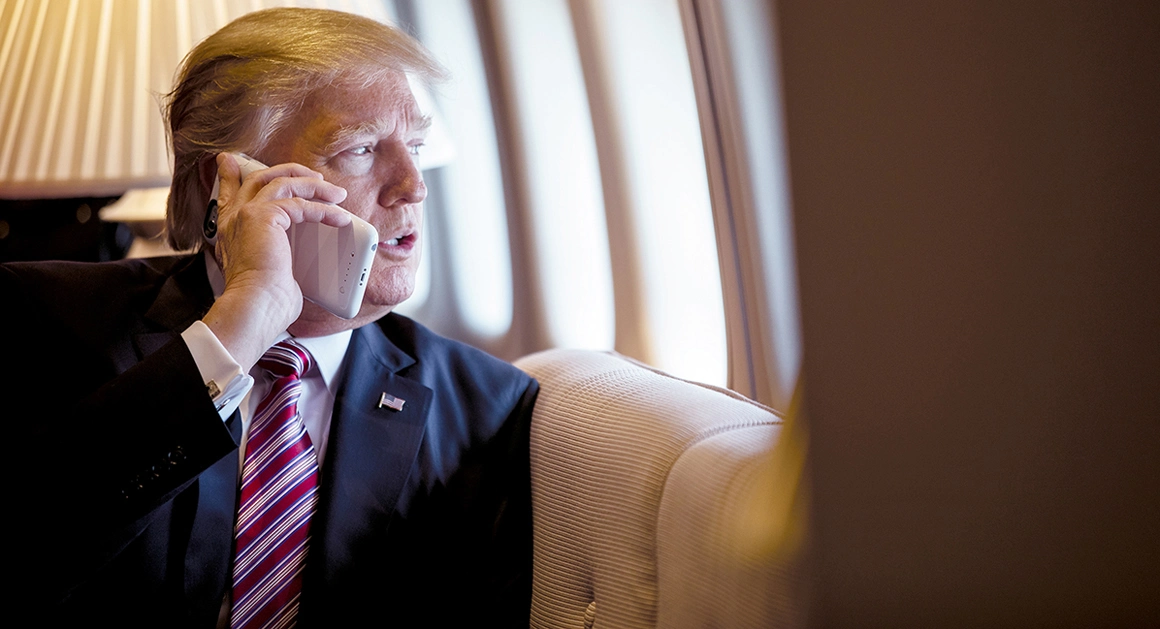
JON LIEDTKE: You know, Gene, this is like the Wizard of Oz right now, but the problem for Trump is that you can’t sell an illusion when the curtain keeps blowing open, exposing the operator furiously pulling on the levers on his cell phone. What we’re watching in real time is a high-stakes, nerve-wracking game of, chicken, I guess, between Washington and Tehran and the global financial markets. I mean, this is utter chaos, but it’s also Nixon madman theory to an extent. It’s a, it’s a lethal blend, if you will. He’s trying to execute that Nixon strategic ambiguity, but he’s not doing it through back channels or through strategic bomber alerts the way that it was done under Nixon. He’s broadcasting it live on social media, and at campaign rallies, and on television. He desperately wants Tehran to believe that he’s volatile enough to flatten the country, but he needs Wall Street, energy traders, and suburban drivers to believe he’s a cool-headed peacemaker who has everything under tight control before Americans hit those polls on November the 3rd. So he’s trying to hold two completely contradictory positions at the same time. The audience is watching the mechanism break in real time. And it’s like hiring a guy to fix your car who says, “I might disassemble the whole thing and leave it in pieces, or maybe I’ll finish the job. We’ll see how I feel after lunch,” and then he charges you an extra dollar for gas.
GENE VALAITIS: Oh, jeez. Good analogy. Well, speaking of gas, it’s incredibly important to every driver here in Southern Ontario. Now, Trump says no strikes until November 3rd against Iran. I’m wondering, why isn’t a simple tweet, Jon, enough to bring the price of gas and diesel down before America even votes?
JON LIEDTKE: Because you can’t tweet away the brutal real-world physics of the price of a liter or a gallon of diesel or regular. Commodity traders aren’t scrolling Truth Social looking for bedtime poetry. They’re tracking physical tankers and missile telemetry in the Persian Gulf. I mean, Trump’s posts that he makes are classic high-volume market jawboning, if you will. It’s a desperate verbal attempt to force the crude futures down so down-ballot Republicans don’t get completely incinerated on inflation at the gas pumps. But energy market prices are tangible physical risks that are built in. They’re not pre-election promises. So traders know that a social media post doesn’t sweep sea mines out of the water, nor does it stop an Iranian drone from slamming into a commercial vessel. And Wall Street sees right through all of this pre-midterm holding pattern manufacturing. So they know the underlying conflict hasn’t been solved. It’s just like, Han Solo in Star Wars, frozen in liquid carbonite.
GENE VALAITIS: You know, I was watching the news and I saw reports of shipping companies paying captains around $50,000 US in what they call hazard bonuses just to sail through the conflicted waters in the Middle East, with crew sandbagging their decks and running in total darkness in the middle of the night. Now, Jon, how do you run a global oil market when moving crude literally becomes a combat mission?
JON LIEDTKE: Gene, the second moving oil becomes the combat mission, the global market starts pricing in outright war. It’s that simple. I mean, look at the sheer terrifying economics of what’s happening on the water. When a maritime firm has to shell out 50 grand US just to keep a captain at the helm, triple crew hazard pay, and absorb war risk insurance premiums that have spiked fivefold just to clear the Strait of Hormuz, that cost isn’t swallowed by corporate benevolence because they feel nice about it. It gets slapped directly onto every single barrel of crude, and that gets passed down-market directly to you at the gas pump in Windsor or in St. Catharines. I mean, Trump can declare a diplomatic pause all day long, but as long as merchant mariners are stacking sandbags around ship bridges to deflect drone shrapnel, energy prices are going to stay where they’re at. And listen, Gene, I’m no economic expert, but it seems to me, if you’re paying a guy 50 grand extra just to drive a boat so he doesn’t get blown up by a suicide drone, you’re not really buying oil anymore. You’re just buying a very expensive ticket to a movie where the main character gets hit by a drone. And then you’re paying more money at the gasoline pump just to get home from the theater.
GENE VALAITIS: Yeah. You know, the White House and Trump is selling a narrative that Iran is broken and the US is winning. You know, the war that was only supposed to last three or four days according to Trump, who didn’t win the Nobel Peace Prize. Meanwhile, CBS News the other night just aired footage of American troops having to abandon a base in Kuwait under very heavy missile fire. So how does a midterm campaign team square that narrative when the evening news is airing footage of bases under attack?
JON LIEDTKE: Yeah, this is the problem for Republicans is that they can’t square this narrative whatsoever. I mean, campaign spin wants a slick victory headline, but the raw reality shows troops diving into bunkers in the desert. That footage of US service members retreating under fire is an absolute torpedo below the waterline for the White House’s narrative. I mean, it punctures the maximum dominance illusion, exposes the brutal truth that while Washington politicians are trying to engineer a cute, calculated pre-midterm pause to protect vulnerable candidates, soldiers on the ground have been facing deadly asymmetric threats while burning through dwindling interceptor stocks. You know, it highlights the massive, insulting chasm between what’s being told at campaign rallies and what’s actually happening in the theater of war. And, you know, if Democrats take control of Congress next month, that broadcast footage from Kuwait is going to be Exhibit A in a subpoena-backed oversight hearing on Day 1.
GENE VALAITIS: Yeah. So what happens on November 4th, the midterms in the US, they’re over and done with, and the need for restraints, restraint evaporates for Trump? If the Republicans lose control of Congress and the Democrats get subpoena power, as you mentioned, how wild do those 60 days between Election Day and January actually get?
JON LIEDTKE: If Republicans lose control of Congress and Democrats get subpoena power, November 4th will mark the exact moment that the handcuffs come off and the artificial brakes fail. Whatever fragile restraint we’re seeing right now expires the very second that that last precinct reports in. If Republicans lose either chamber, Trump faces a relentless domestic siege: subpoenas raining down on his administration, his business empire, his family, his friends, his foreign policy decisions. Then there’s going to be the unredacted Epstein files. I mean, a president who feels backed into a corner domestically, stripped of any remaining electoral checks, that’s the most volatile political force on earth. He won’t be a lame duck; he’s going to be like, I don’t know, like a lame, barging hippo, if you will. I mean, Central Command strike rosters have already been finalized; they’re sitting on his desk. The moment that November 3rd passes, this cynical holding pattern will snap. We could see a massive military escalation in the Gulf within moments of polls closing. He just sent another aircraft carrier out there. So I say buckle up, because the post-midterm window is going to be absolute bedlam. You know what they call a guy who loses his job, gets served 40 subpoenas, and still has the keys to a fleet of stealth bombers, Gene?
GENE VALAITIS: What’s that?
JON LIEDTKE: That’s a guy who’s going to make gas so expensive you’re going to have to trade your car for a donkey. And that donkey’s going to be asking for hazard pay, probably.
GENE VALAITIS: Oh, it’s going to be an interesting couple of months. Great take this morning. Thank you, Jon.
JON LIEDTKE: Thanks, Gene. Have a great weekend.
GENE VALAITIS: Ah, Happy Thanksgiving to you. Jon Liedtke, and Liedtke’s Got a Take.
This aired on 610 CKTB
Leave a Reply