
If you step outside and take a deep breath near the corner of Banwell and E.C. Row today, you’ll smell something more potent than factory exhaust and more intoxicating than Walkerville whiskey fumes. It’s a local specialty: a rare, pressurized gas we’ve been huffing for decades.
It’s Hopium, and boy, are we passing the pipe around this week.
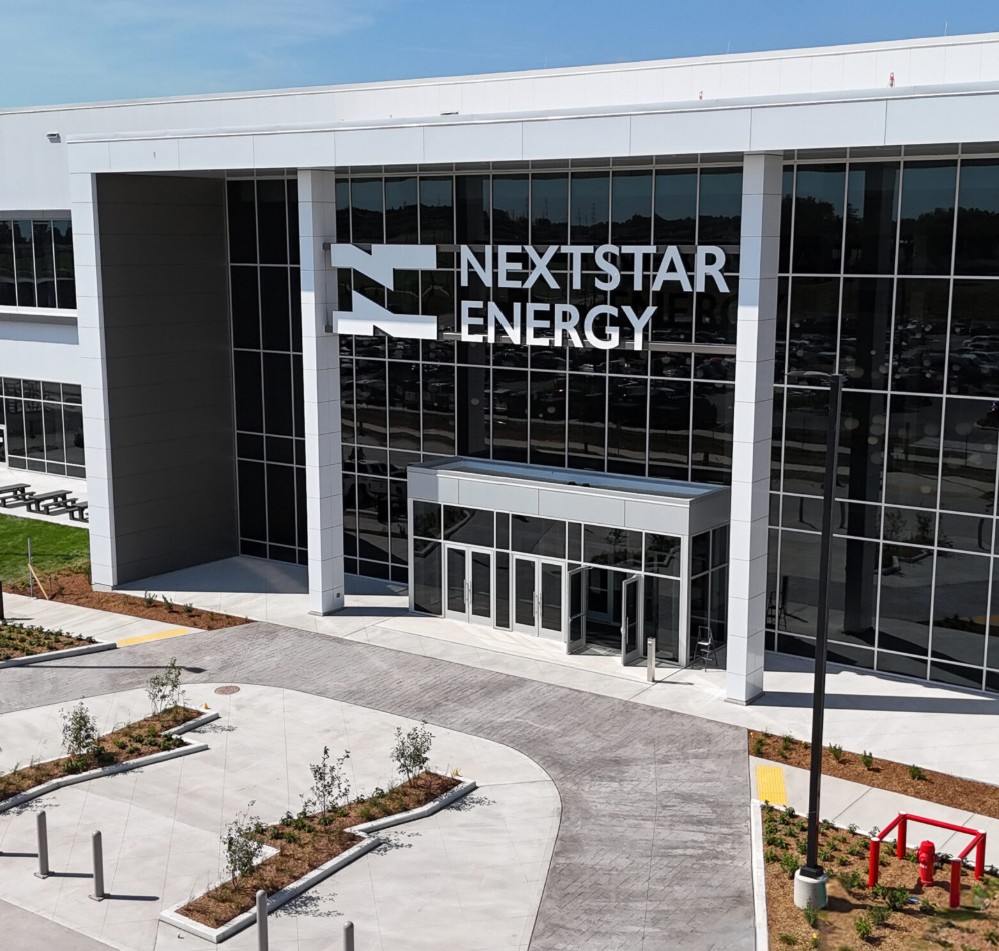
The latest headline reads like an Olympic-level feat of rhetorical gymnastics. Stellantis, a global behemoth currently staggering through a financial storm, is selling off its stake in the $5-billion EV battery plant, NextStar Energy. In any other sector, a lead partner liquidating their interest in a flagship project would be the signal to man the lifeboats. But in the sunnier-than-thou offices of our economic development officials, this isn’t a retreat. No. According to Invest WindsorEssex, it’s a “good thing” that adds “operational certainty.”
It’s a masterclass in gaslighting; or, to put it more bluntly, a masterclass in pissing on my leg and telling me it’s raining.
Let’s be clear: Stellantis isn’t selling because they reached the summit. They’re selling because the global EV transition is hitting a brick wall and their house is on fire. To suggest that the lead architect leaving the room provides “certainty” is the kind of logic usually reserved for explaining why your basement flooding is actually a bold and innovative indoor pool conversion, or starting an indoor fire is a fast way to heat your house. This is a cynical crisis communications loop designed to mask a corporate retreat.
Stellantis is staring down a €22 billion write-down that’s doing more than just hurting the balance sheet; it’s triggering a legitimate cash squeeze. After years of generating cash, the wheels have come off: the company burned through over €10 billion in 2024 and 2025, and there’s no sign of the bleeding stopping until at least the end of this year.
This isn’t just accounting either. We’re talking about €6.5 billion in cold, hard cash payments for canceled products and supplier settlements, €2 billion of which is due right now. When you factor in the high costs of EV parts and thinning margins, the earnings are being eaten alive.
Management is now in a full-blown defensive crouch. To protect what’s left of their €46 billion liquidity cushion, they’ve axed the 2026 dividend and effectively walked away from their NextStar battery stake for a symbolic $100 just to dodge future bills. They’re even looking to offload the Stellantis-Samsung JV StarPlus stake in Indiana, and are taking on €5 billion in new debt.
Let’s be clear: healthy companies don’t set fire to $6 billion in capital – including $2 billion in actual cash investment (not to mention currency conversion) – just to walk away. They aren’t broke yet, but they are incinerating their margin for error to fund a massive reset that won’t see a dime of positive cash flow until 2027.
With Stellantis making such dramatic exits from the EV battery industry – due to upcoming liabilities which they obviously couldn’t afford to have on their books – the future of WAP continues to remain in question as the automotive industry navigates its continual transition.
We’ve been told for years that the next-gen & green economies would save us, pinning our collective hopes – and billions in taxpayer subsidies – on the EV dream. But as it turns out, our region’s true economic engine isn’t auto, or whiskey, or corn. Our primary product is Hopium in the face of objective reality, and we’re producing for domestic consumption, not export.
We are a city living on the pivot, trapped in a cinematic feedback loop where the vibes supersede policy. The pilot episode of the NextStar dream is being frantically revised in the writers room because the original script tested terribly in the global market, and the producers are desperate for a second season.
Give me a break. A multi-billion dollar venture forced to pivot before the drywall is even finished isn’t a win; it’s a demonstration that the project can’t breathe without a government ventilator supplying taxpayer subsidies. While the Stellantis European mothership jettisons its cargo to stay buoyant, Windsor is left standing on the shore, huffing the exhaust of a Zombie USMCA economy. We are living in a reanimated trade corpse; a system that keeps the lights on by harvesting our tax dollars to feed global conglomerates that don’t care if Windsor thrives or withers, as long as the subsidies keep their heart beating. We aren’t a hub; we’re a distressed asset being tested for its collective breaking point, whether by global behemoths, or Donald Trump’s USA.
If we want actual certainty, we need more than press releases that polish lead weights until they look like gold. We need transparency on what the exit of a major stakeholder means for the actual jobs promised to Windsorites. We need real diversification, not just a lateral move from building internal combustion engines to building batteries for companies that might not exist in a decade. We need real accountability, because if one of the anchor businesses of our region selling a 49% stake is a win, I’d hate to see what our economic development team considers a loss.
For now, the local message remains clear: Pay no attention to the corporate restructuring behind the curtain. Just keep breathing in that sweet, sweet Hopium. It might not pay your mortgage, but it sure makes the headlines go down easier.
Welcome back to the dumpster fire. Your seat is still warm.

Leave a Reply